
Electrical safety is the foundation of reliable power system operation for residential, commercial, and industrial facilities. Among all essential electrical protection devices, the circuit breaker stands out as a core component that safeguards circuits and electrical equipment from damage caused by abnormal current conditions. Unlike traditional fuses that require replacement after tripping, a circuit breaker features reusable operation, stable performance, and intelligent fault detection, making it an indispensable part of modern power distribution systems.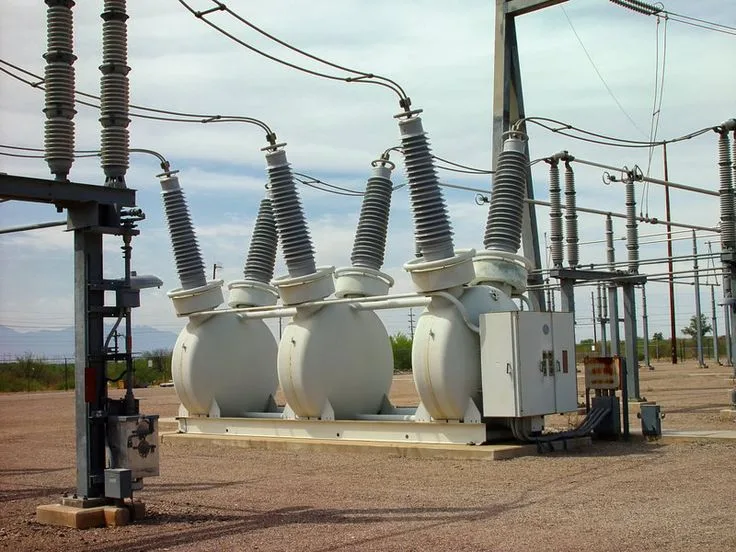
A circuit breaker is an automatic electrical switch designed to interrupt current flow during circuit faults, including overloads and short circuits. Its primary functions cover automatic tripping under abnormal electrical conditions and manual switching for regular circuit maintenance. The core value of this device lies in preventing wire overheating, equipment burnout, and electrical fires, while ensuring the continuity and stability of power supply for normal electrical circuits.
The working principle of a circuit breaker relies on precise mechanical and thermal induction mechanisms to identify and respond to electrical faults. Under normal operating conditions, the breaker’s internal contacts remain closed to maintain uninterrupted current transmission. When an overload occurs with sustained excessive current, the built-in thermal component heats up and triggers a mechanical trip to open the contacts. For sudden short circuits with instant surging current, the magnetic induction mechanism activates an immediate breaking action to cut off the circuit rapidly. Most circuit breakers store mechanical energy through internal springs or compressed air structures, ensuring fast and reliable contact separation once faults are detected.
Based on internal working mechanisms and application scenarios, circuit breakers are mainly divided into three mainstream types. Thermal-magnetic circuit breakers are the most widely used, combining thermal overload protection and magnetic short-circuit protection to adapt to most daily power consumption scenarios. Magnetic circuit breakers focus on fast response to instantaneous high current faults, ideal for industrial equipment with strict short-circuit protection requirements. Electronic circuit breakers adopt precise electronic sensing technology, featuring high sensitivity and adjustable tripping parameters, suitable for high-precision electrical equipment and smart power systems.
In terms of structural and medium classification, common types include air circuit breakers, vacuum circuit breakers, and SF6 circuit breakers. Air circuit breakers are cost-effective and easy to maintain, widely applied in low-voltage distribution systems. Vacuum circuit breakers utilize vacuum arc-extinguishing technology with strong breaking capacity and long service life, commonly used in medium-voltage power systems. SF6 circuit breakers rely on sulfur hexafluoride gas with excellent arc-quenching and insulation performance, suitable for high-voltage power transmission and industrial high-power equipment.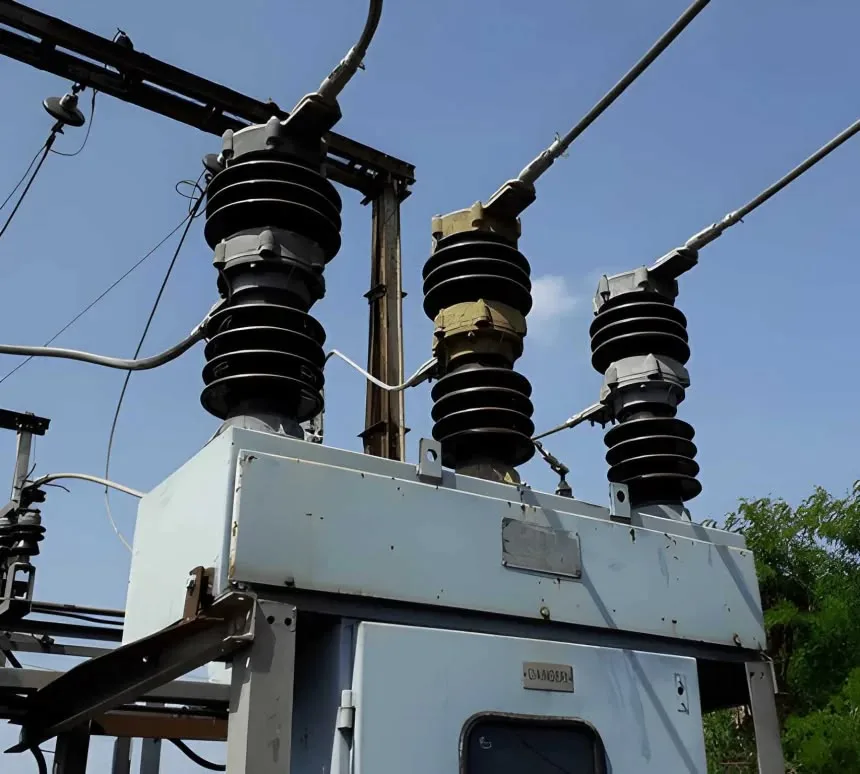
Circuit breakers cover a full range of application scenarios across all power consumption fields. Single-pole and double-pole breakers are commonly used in residential buildings for lighting, socket, and household appliance circuit protection. Three-pole and four-pole breakers are applied in commercial buildings, factory workshops, and power distribution cabinets to protect three-phase power circuits. High-voltage circuit breakers are dedicated to power grid transmission, substation equipment, and large industrial power systems, ensuring the safe operation of high-capacity power facilities.
Proper selection and maintenance are critical to maximizing circuit breaker performance. Users need to match the rated current and voltage level according to actual circuit load parameters, avoiding mismatched models that cause frequent tripping or failure of protection. Regular inspection of contact status, arc-extinguishing components, and mechanical flexibility can effectively extend service life and reduce fault risks.
In conclusion, circuit breakers act as the safety gate of power systems. With diverse types, reliable protection performance, and reusable features, they provide comprehensive safety guarantees for household, commercial, and industrial power consumption. Reasonable selection and standardized use of circuit breakers are key measures to eliminate electrical hazards and ensure stable power system operation.