
Vacuum circuit breaker technology is revolutionizing the electrical industry with its cutting-edge advancements. These breakers offer unparalleled reliability and efficiency, making them a preferred choice in both commercial and residential settings. Their compact size and high dielectric strength ensure safety from fire hazards while maintaining a cost-effective and long lifespan. The integration of sustainability and smart technologies further enhances their appeal. By utilizing eco-friendly materials and advanced monitoring features, vacuum circuit breakers not only reduce environmental impact but also improve operational efficiency.
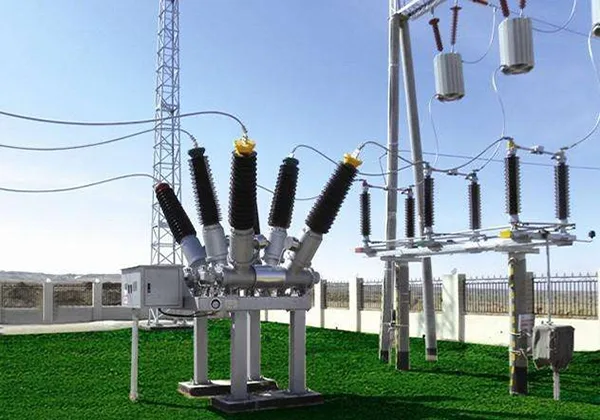
Overview of Vacuum Circuit Breaker Technology
Basic Principles and Functionality
Vacuum circuit breakers operate by interrupting electrical currents within a vacuum chamber. This technology relies on the principle that a vacuum provides an excellent medium for extinguishing electrical arcs. When the breaker detects a fault, it separates the contacts inside the vacuum chamber. The absence of air or gas in the chamber prevents the arc from sustaining itself, thus effectively interrupting the current flow. This rapid and silent operation makes vacuum circuit breakers ideal for environments requiring frequent switching.
The compact design of vacuum circuit breakers contributes to their widespread adoption. Their lightweight nature simplifies installation and maintenance, reducing the overall operational costs. Additionally, these breakers exhibit high dielectric strength, ensuring robust performance even under high-voltage conditions. The combination of these features underscores their suitability for both industrial and residential applications.
Historical Development and Evolution
The evolution of vacuum circuit breaker technology traces back to the late 19th century, with significant advancements occurring throughout the 20th century. Initially, the focus was on developing low-voltage applications. However, as technology progressed, engineers began exploring high-voltage solutions. By the mid-20th century, countries like China had made notable strides in this field. In 1958, China embarked on developing high-voltage vacuum circuit breakers, achieving remarkable progress by 1960.
These historical milestones highlight the continuous innovation in vacuum circuit breaker technology. The transition from low to high-voltage applications marked a pivotal moment in the industry, paving the way for modern advancements. Today, vacuum circuit breakers stand as a testament to decades of research and development, offering unparalleled reliability and efficiency.
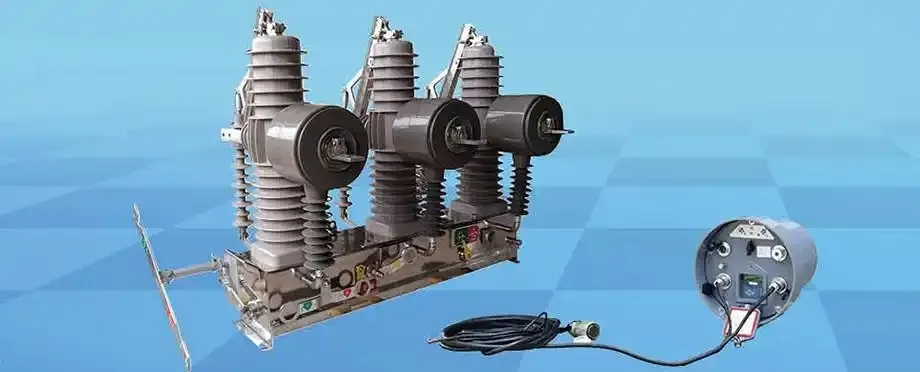
Key Emerging Trends in Circuit Breaker Technology
Sustainability and Environmental Impact
Use of Eco-friendly Materials
The circuit breaker industry is increasingly prioritizing sustainability. Manufacturers now focus on using eco-friendly materials to reduce environmental impact. These materials not only minimize waste but also enhance the recyclability of circuit breakers. By adopting sustainable practices, companies align with stringent environmental regulations and meet global sustainability goals. This shift towards greener materials reflects a broader trend in the electrical industry, where eco-friendliness and efficiency go hand in hand.
Energy Efficiency Improvements
Energy efficiency remains a critical focus in circuit breaker technology. Recent advancements have led to significant improvements in energy consumption. Smart circuit breakers, for instance, optimize energy use by monitoring and managing electrical loads effectively. They contribute to sustainable living by integrating renewable energy sources, thus reducing reliance on non-renewable resources. This approach not only lowers energy costs but also supports the transition to a more sustainable energy landscape.
Smart Grid Integration
Advanced Monitoring and Control Features
Smart grid integration represents a major trend in circuit breaker technology. Advanced monitoring and control features enhance the operational efficiency of electrical systems. These features allow for real-time data analysis, enabling quick responses to electrical faults. By providing detailed insights into system performance, smart circuit breakers improve reliability and reduce downtime. This capability is particularly valuable in industries where uninterrupted power supply is crucial.
Enhanced Communication Capabilities
Enhanced communication capabilities further bolster the effectiveness of smart circuit breakers. These breakers can communicate with other devices within the smart grid, facilitating seamless information exchange. This interconnectedness allows for better coordination and management of electrical networks. As a result, smart circuit breakers play a pivotal role in modernizing power distribution systems, making them more resilient and adaptable to changing demands.
Miniaturization and Compact Designs
Space-saving Solutions
Miniaturization is another emerging trend in circuit breaker technology. Compact designs offer space-saving solutions, making them ideal for applications with limited space. These smaller circuit breakers maintain high performance levels while occupying less physical space. This advantage proves beneficial in urban environments where space constraints are common.
Increased Portability
Increased portability is a key benefit of miniaturized circuit breakers. Their lightweight nature allows for easy transportation and installation. This feature is particularly advantageous in temporary setups or remote locations where mobility is essential. By offering flexibility and convenience, portable circuit breakers meet the diverse needs of modern electrical systems.
Market Growth Drivers for Circuit Breakers
Industrialization and Urbanization
Industrialization and urbanization significantly drive the demand for circuit breakers. As cities expand, the need for reliable electrical infrastructure becomes paramount. Urban areas require robust systems to support residential, commercial, and industrial activities. Circuit breakers play a crucial role in ensuring the safety and efficiency of these electrical systems. In regions like Asia Pacific, rapid urbanization fuels market growth. The region holds the highest demand for circuit breakers, accounting for a significant share of 41.42% in 2022. This trend is expected to continue, with a projected growth rate of 7.3% CAGR by 2030.
Expansion of Renewable Energy Projects
The expansion of renewable energy projects also contributes to the increasing demand for circuit breakers. As countries shift towards sustainable energy sources, the integration of renewable energy into existing grids becomes essential. Circuit breakers ensure the safe and efficient distribution of electricity from renewable sources like solar and wind. They protect electrical systems from overloads and faults, maintaining stability and reliability. Regions such as Europe and North America are witnessing significant investments in renewable energy, driving the demand for advanced circuit breaker technology.
Technological Innovations and R&D Investments
Technological innovations and research and development (R&D) investments are pivotal in advancing circuit breaker technology. Companies invest heavily in R&D to develop innovative solutions that enhance performance and efficiency. These advancements include the integration of smart technologies and the use of eco-friendly materials. In North America, the circuit breaker market reached USD 4.2 billion in 2023, with an anticipated growth rate of 8% CAGR between 2024 and 2032. This growth reflects the region’s commitment to technological advancements and sustainable practices. As a result, circuit breakers continue to evolve, meeting the demands of modern electrical systems.
Applications of Circuit Breakers in Different Sectors
Residential Sector
In the residential sector, circuit breakers serve as vital components for ensuring electrical safety and efficiency. They protect homes from electrical hazards by automatically interrupting the current flow during overloads or short circuits. This functionality prevents potential fires and appliance damage, safeguarding both property and lives. Smart circuit breakers have become increasingly popular in new home constructions. They offer advanced energy management features, allowing homeowners to monitor and control energy usage remotely. This capability not only enhances safety but also contributes to energy savings and sustainability.
Industrial Sector
Circuit breakers play a crucial role in industrial settings, where they provide protection in high-voltage environments. Their quick operation and reusability make them indispensable for preventing irreversible losses associated with electrical faults. Industries rely on various types of circuit breakers to ensure the safety and reliability of their electrical systems. Digital circuit breakers have transformed industrial applications by offering precise monitoring and faster fault detection. These advancements enhance the efficiency and maintenance of electrical systems, supporting the uninterrupted operation of industrial processes.
Renewable Energy Sector
The renewable energy sector heavily depends on circuit breakers to manage and protect electrical systems. DC circuit breakers are essential for the safe integration of solar, wind, and other renewable energy sources into the grid. They ensure stable power distribution and protect systems from overloads and faults. As countries shift towards sustainable energy solutions, the demand for advanced circuit breaker technology continues to grow. These devices play a pivotal role in modernizing energy distribution networks, contributing to a more resilient and sustainable energy infrastructure.
Vacuum circuit breaker technology has seen remarkable advancements, enhancing efficiency and sustainability. Key trends include the integration of smart grid features and the use of eco-friendly materials. These innovations not only improve performance but also align with global sustainability goals.
Looking ahead, the rise of renewable energy and smart city projects will likely drive further growth in this sector. The increasing global energy demand underscores the need for reliable circuit breakers, projecting the market to reach USD 9.4 billion by 2031. Continuous innovation remains crucial for adapting to evolving energy landscapes and ensuring robust electrical infrastructure.