
Outdoor Vacuum Circuit Breaker (OVCB)
An Outdoor Vacuum Circuit Breaker (OVCB) is a critical switching and protection device used in medium-voltage power distribution networks. It utilizes vacuum interrupter technology to extinguish electric arcs during switching operations, ensuring reliable protection against overloads, short circuits, and other electrical faults.
Due to their high reliability, long service life, and minimal maintenance requirements, outdoor vacuum circuit breakers are widely used in utility substations, industrial facilities, renewable energy projects, and distribution networks.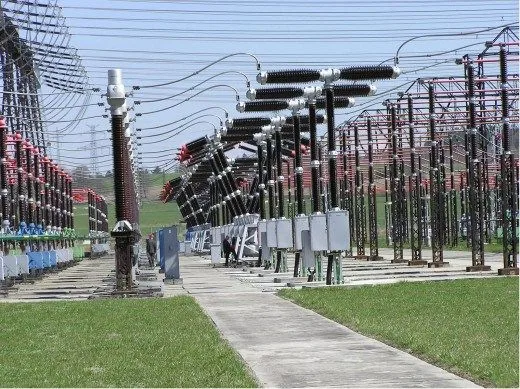
What Is an Outdoor Vacuum Circuit Breaker?
An Outdoor Vacuum Circuit Breaker is designed to operate in outdoor environments and protect electrical equipment and power systems from damage caused by fault currents. The arc generated when contacts separate is extinguished inside a sealed vacuum interrupter, making the interruption process highly efficient and environmentally friendly.
Compared with oil circuit breakers and SF6 circuit breakers, vacuum circuit breakers offer several advantages, including lower maintenance costs, longer mechanical life, and zero greenhouse gas emissions.
Key Features of Outdoor Vacuum Circuit Breakers
High Interrupting Capacity
OVCBs can safely interrupt high fault currents and maintain system stability during abnormal operating conditions.
Long Service Life
Vacuum interrupters typically support tens of thousands of mechanical operations with minimal contact wear.
Low Maintenance Requirements
The sealed vacuum chamber eliminates the need for oil replacement or gas monitoring, reducing maintenance costs.
Excellent Environmental Adaptability
Outdoor vacuum circuit breakers are designed to withstand rain, dust, humidity, UV exposure, and temperature fluctuations.
Compact Structure
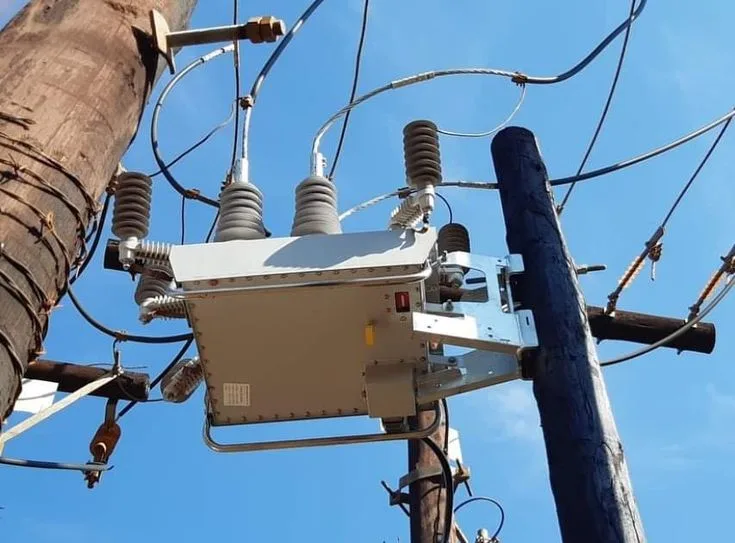
The compact design allows easy installation in substations, pole-mounted systems, and distribution networks.
Environmentally Friendly
Vacuum technology eliminates the use of insulating oil or SF6 gas, reducing environmental impact.
Technical Specifications of Outdoor Vacuum Circuit Breakers
The following specifications represent common configurations. Actual values may vary depending on the model and customer requirements.
|
Parameter |
Typical Value |
|
Rated Voltage |
12kV, 24kV, 36kV, 40.5kV |
|
Rated Current |
630A, 1250A, 1600A, 2000A, 2500A |
|
Rated Frequency |
50Hz / 60Hz |
|
Rated Short-Circuit Breaking Current |
20kA, 25kA, 31.5kA, 40kA |
|
Rated Short-Time Withstand Current |
Up to 40kA |
|
Mechanical Life |
≥ 10,000 Operations |
|
Operating Mechanism |
Spring Operated / Motor Charged |
|
Insulation Type |
Vacuum Interruption + Solid Insulation |
|
Protection Degree |
IP54 – IP65 |
|
Installation Type |
Pole Mounted or Substation Mounted |
|
Ambient Temperature |
-40°C to +55°C |
Applications of Outdoor Vacuum Circuit Breakers
Utility Distribution Networks
OVCBs are widely used in medium-voltage distribution systems to protect overhead lines, feeders, and transformers.
Electrical Substations
Installed in transmission and distribution substations to provide reliable switching and fault protection.
Industrial Power Systems
Factories, mining operations, steel plants, and manufacturing facilities rely on vacuum circuit breakers to protect critical electrical equipment.
Renewable Energy Projects
Wind farms and solar power plants use outdoor vacuum circuit breakers for grid connection and power system protection.
Railway Electrification Systems
OVCBs help ensure stable and safe power distribution for railway infrastructure and transportation networks.
Smart Grid Applications
Modern intelligent distribution networks integrate vacuum circuit breakers with automation and remote monitoring systems.
Benefits of Using Outdoor Vacuum Circuit Breakers
Reliable fault interruption performance
Long operational lifespan
Reduced maintenance expenses
Enhanced system safety
High insulation performance
Suitable for harsh outdoor environments
Eco-friendly operation without SF6 gas emissions
Lower total cost of ownership
How to Choose the Right Outdoor Vacuum Circuit Breaker
When selecting an outdoor vacuum circuit breaker, consider the following factors:
System Voltage
Choose a breaker with a rated voltage matching the distribution network.
Rated Current
Ensure the rated current exceeds the maximum operating load current.
Short-Circuit Capacity
The breaker’s interrupting capacity should meet or exceed the system fault level.
Environmental Conditions
Consider installation altitude, humidity, temperature range, and pollution level.
Installation Method
Determine whether a pole-mounted, substation-mounted, or integrated recloser solution is required.
Automation Requirements
For smart grid projects, select models supporting remote control, SCADA integration, and intelligent monitoring functions.
Frequently Asked Questions (FAQ)
What is the difference between an outdoor vacuum circuit breaker and an indoor vacuum circuit breaker?
Outdoor vacuum circuit breakers feature weather-resistant enclosures and higher environmental protection ratings, allowing them to operate safely in outdoor conditions. Indoor models are designed for installation within switchgear panels or buildings.
How long does an outdoor vacuum circuit breaker last?
Under normal operating conditions, a high-quality outdoor vacuum circuit breaker can provide more than 20 years of service, with vacuum interrupters supporting over 10,000 mechanical operations.
Does an outdoor vacuum circuit breaker require regular maintenance?
Yes, but maintenance requirements are significantly lower than oil or SF6 circuit breakers. Periodic inspection of contacts, operating mechanisms, insulation components, and control circuits is recommended.
Why is vacuum interruption technology preferred?
Vacuum interruption offers fast arc extinction, high dielectric recovery strength, minimal contact erosion, and environmentally friendly operation.
Can outdoor vacuum circuit breakers be used in renewable energy systems?
Yes. They are widely used in solar farms, wind power plants, battery energy storage systems, and other renewable energy projects to provide reliable switching and protection.
What operating mechanisms are available?
Most outdoor vacuum circuit breakers are equipped with spring-operated mechanisms, motor-charged spring mechanisms, or intelligent control systems for remote operation.
Conclusion
Outdoor Vacuum Circuit Breakers have become the preferred protection solution for modern medium-voltage power distribution systems. Their superior interrupting performance, long service life, low maintenance requirements, and environmental benefits make them ideal for utility networks, industrial facilities, substations, and renewable energy projects.
As power infrastructure continues to evolve toward smart grids and sustainable energy systems, outdoor vacuum circuit breakers remain a reliable and cost-effective choice for ensuring electrical safety and operational efficiency.